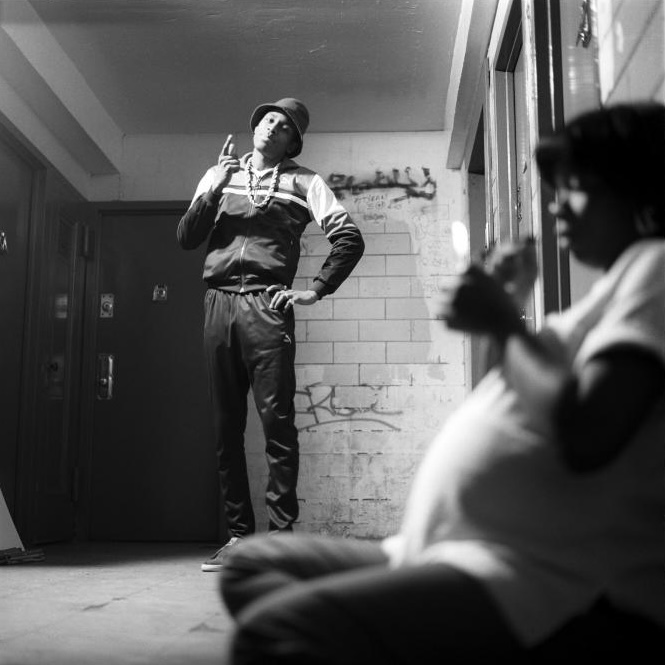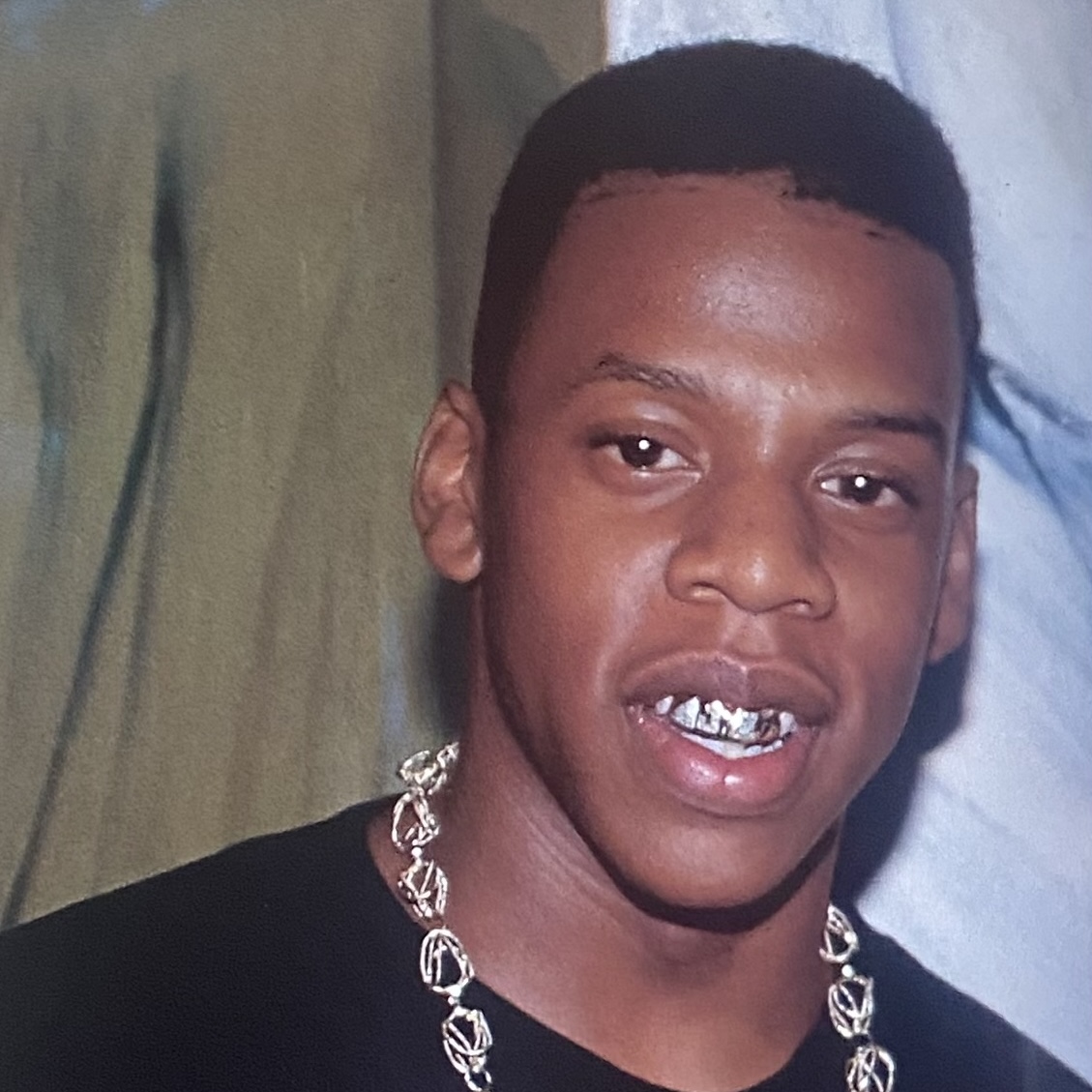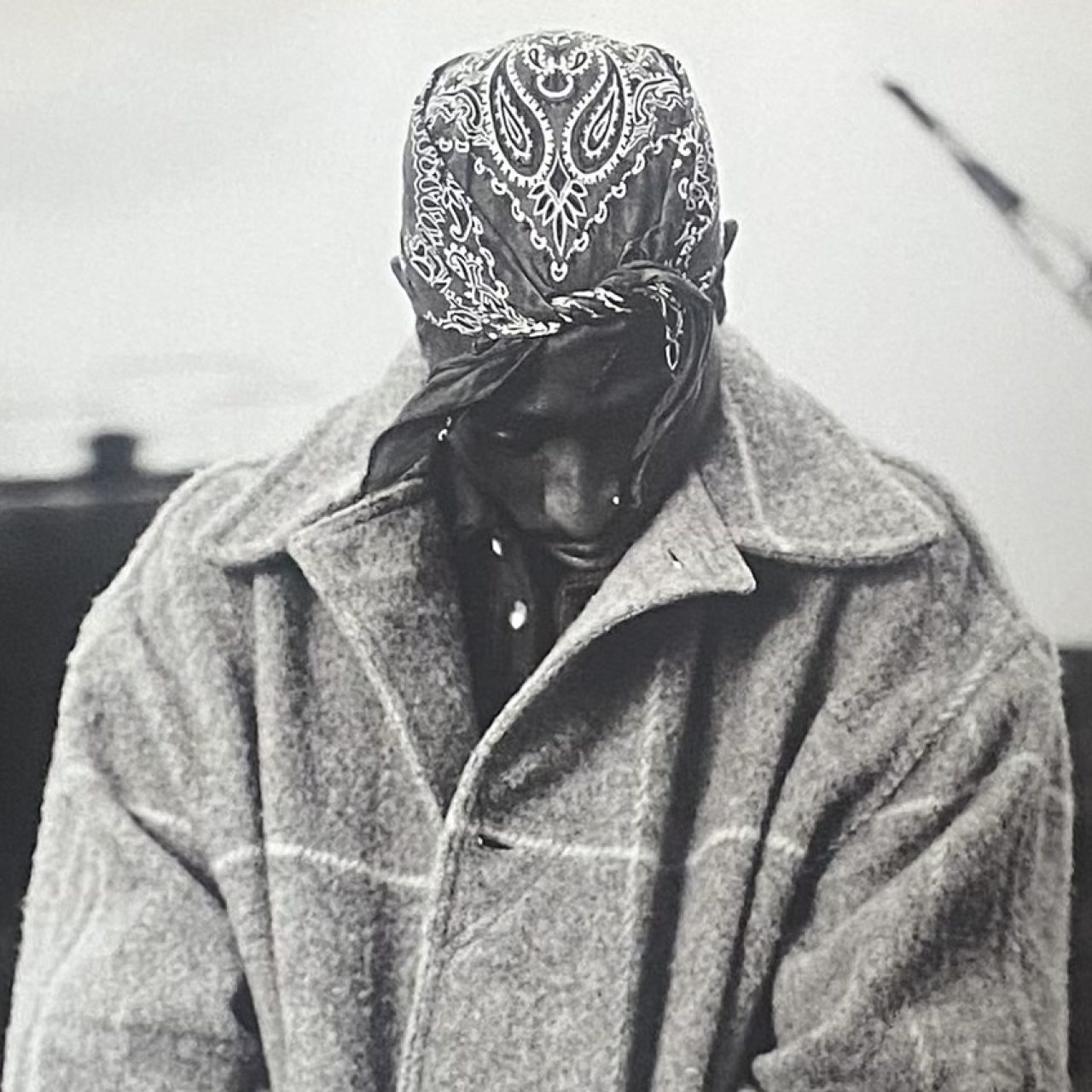
In 1996, a clear consensus emerged on the most important rap act of the moment.
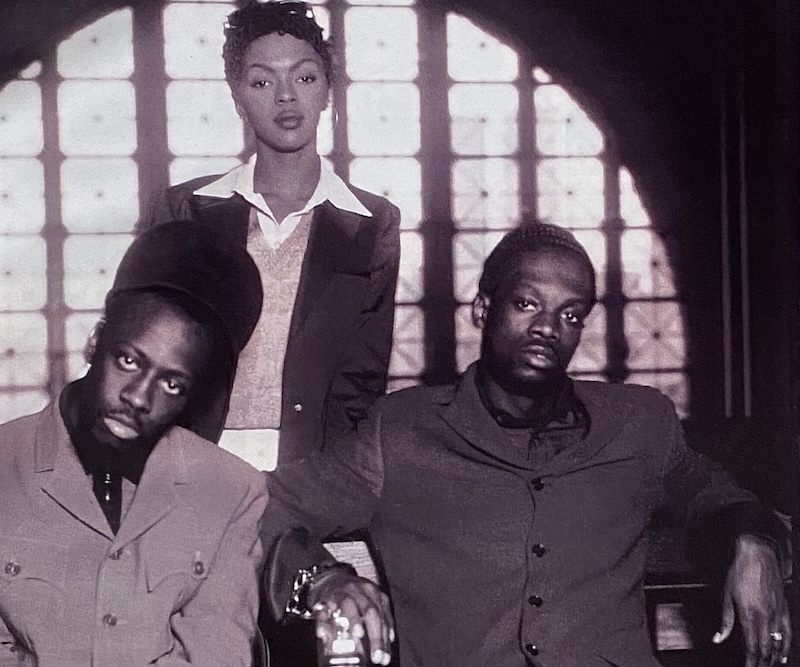
The Fugees’ second album, The Score, landed them on the cover of Rolling Stone, which declared the trio “the future of rock & roll.” It was named the second-best album of the year in Village Voice’s annual Pazz & Jop survey. (Number one went to Beck’s Odelay.) Lauryn Hill’s mesmerizing homage to Roberta Flack’s “Killing Me Softly with His Song” dominated MTV and Black radio alike, while the clip for “Ready or Not” generated news headlines for costing over a million dollars to produce, a staggering sum for a music video at the time. In 1997, it won the Grammy for Best Rap Album of the Year.
“In a hyper-commercialized atmosphere, hip-hop has become bloated,” wrote Havelock Nelson in an April 20, 1996, Billboard story on “Fugees-inspired acts” infusing the genre with “renewed spirit.” Praising The Score, he wrote, “They use the new album to attack hip-hop posers as well as to decry such social problems as police brutality while having fun and proving that rap can go anywhere MCs want to take it.” Only four years had passed since the music press tried to anoint Arrested Development’s buoyantly soulful “alternative rap” as the future of hip-hop. By now, it was clear that fans had a bottomless appetite for street rap that wouldn’t be satiated by brilliantly imaginative and musically organic breakouts such as The Score, The Roots’ Illadelph Halflife and Bahamadia’s Collage.
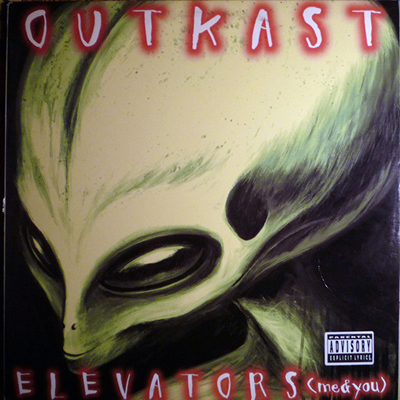
How did street rap in the forms of G-funk, hardcore and sundry regional permutations in Houston, New Orleans, the Bay Area and elsewhere gain a permanent foothold on the hip-hop imagination? In a January 14, 1996, New York Times Magazine cover on Suge Knight’s dominant Death Row label, Lynn Hirschberg claimed the rap audience was “primarily white and suburban and male” enthralled with “the inner-city thug life, the longing-to-be-large attitude.” But it wasn’t just the white kids that loved gangsters. When Outkast shifted their image from Atlanta dope boys to world-weary ATLiens, they landed radio hits like “Elevators (Me & You)” while alienating much of their Black fanbase in the process.
And even the Fugees understood that rap is a competitive and often combative art form, as evinced by Pras dissing Jeru the Damaja as a “false prophet” on “Zealots.” Jeru fired back on his album Wrath of the Math while burning plenty of other bridges, including a claim on “One Day” that Bad Boy Records head Sean “Puffy” Combs was getting his artists drunk and “fucking they minds up.” At the time, Jeru drew widespread condemnation for slandering the rap world’s golden boy. Given Puffy’s current, tattered reputation, Jeru’s words proved too prophetic.
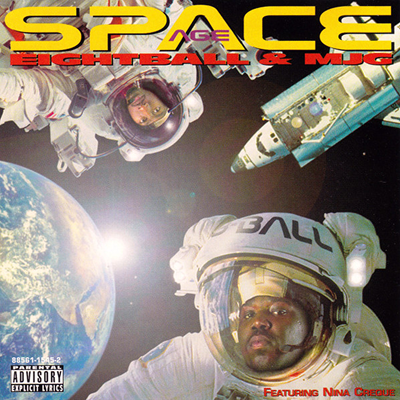
Musicians and listeners alike wrestled with a culture riven by contradictions: an international flowering of output that couldn’t be reduced to cheesy Coolio pop-raps like “1, 2, 3, 4 (Sumpin’ New)” or earnest stabs at social relevance like the AIDS benefit compilation America Is Dying Slowly; a patchwork of DIY output that ranged from thrilling ciphers pressed up by Fondle ‘Em Records to subterranean rhyme collages like the Project Blowed compilation; and a welter of hormonal club bounce manifested in Freaknik-approved jams like Quad City DJs’ “C’mon ’N Ride It (The Train)” and strip-club grinders like Eightball & MJG’s “Space Age Pimpin’.” The genre was widely understood to be complex enough to encompass a panoply of voices.
Still, the thumb of the industry inevitably landed on burnished voices with “New York appeal” like LL Cool J, who used his “I Shot Ya (Remix)” to attack West Coast rappers: “But if you touch a mic, your motherfuckin’ ass hang.” And as 1995 turned to 1996, tensions that simmered since the mid-Eighties, when West Coast acts strained for recognition from the East Coast elite only to get dissed via Tim Dog’s “Fuck Compton,” sparked into a full-on conflagration.
In retrospect, the East Coast vs West Coast nonsense was quite ridiculous. It was mined by canny opportunists like Ice Cube, who exploited the situation by forming Westside Connection, a supergroup with WC and Mack 10, and impugning perceived ideological foes like Masta Ace, Q-Tip and Common (the latter responding with the classic dis “The Bitch in Yoo”). Their jeremiad against “all the critics in New York” reflected a crisis where disputes spurred angry confrontations at award shows and nightclub appearances and gang-affiliated violence. Increasingly, “keeping it real” meant real-life confrontation. Ice Cube and Cypress Hill both hailed from Southern California, but when Cube dissed the latter on Westside Connction’s Bow Down, someone mugged Cube while he was driving in L.A. and snatched his chain, then gave the chain to Cypress Hill’s B-Real, who posed with it for a photograph reprinted in The Source.
2Pac personified this era of commitment to machismo at any cost. Bailed out of prison by Death Row’s Knight, where he served a sentence on a 1994 sexual-abuse conviction, Pac embarked on a legendary 11-month run of activity that remains an area of intense historical debate, from dominating the Billboard charts with his two-CD opus All Eyez on Me and the number-one hit “California Love” to recording “Hit ‘Em Up” a remarkably vicious dis of Bad Boy Records where he claimed he “fucked” the Notorious B.I.G.’s wife Faith Evans. “It’s obscene that [radio] stations have apparently become so wrapped up in garnering ratings and hip reputations that they would air such audio garbage,” wrote J. R. Reynolds, disgusted by the “Hit ‘Em Up” controversy, in a June 8, 1996, Billboard column.
Seemingly inspired by societal condemnation, 2Pac pioneered a new kind of Black antihero, one that purposely burned bright and hot with a combustible mix of world-conquering fearlessness and terrifying recklessness. He manipulated the audience’s understanding of his feats, from dropping references that he would return “reincarnated” on the All Eyez on Me deep cut classic “Ambitionz Az a Ridah” to renaming himself as Makaveli in homage to Niccoló Machiavelli, the Florentine philosopher who prescribed faking one’s death to elude enemies. When he was shot in Las Vegas on September 7, 1996, and died six days later, some fans speculated that he predicted a mysterious escape to Cuba, a myth compounded by the posthumous release of The Don Killuminati: The 7 Day Theory and a video clip, “I Ain’t Mad at Cha,” that depicted him in heaven.
As Pac was buried in taunting “live by the gun, die by the gun” news headlines, Death Row slowly collapsed. Co-founder Dr. Dre left in the spring to launch a new imprint, Aftermath, while briefly renouncing his gangsta past with “Been There, Done That.” Tha Doggfather, Snoop Doggy Dogg’s long-anticipated follow-up to his 1993 smash Doggystyle, dropped in November to a respectful but largely unexcited response. Like Dre, Snoop was too traumatized to navigate a fresh career path yet. Knight, for his part, was imprisoned on a probation violation; he later lost control of the company. Death Row has since lingered on as a legacy brand with various owners, thanks to its reputation as the most feared rap label in history. In the 2017 documentary The Defiant Ones, Jimmy Iovine, whose Interscope served as Death Row’s financial backer, unfavorably compared it to the extremist group Hamas.

“There’s a gray area in hip-hop’s contemporary soul,” wrote Selwyn Seyfu Hinds in The Source’s May 1996 issue. During the introduction to an interview with Ice Cube, he mourned the demise of the “once-revolutionary mindset” that once guided the genre’s stars. “Oversimplifying this state of affairs is as criminal as exaggerating it. Those who cock paternalistic fingers, carry on about the ‘sanctity of the hip-hop nation’ and warn fools about wasting time on tribalism while the Man chuckles and rakes in the dough may have their intentions in the right place. But they ignore the aesthetic and lifestyle differences – not to mention the economic competition – that fuels much of the tension. And by now we’re all well acquainted with those who seek every opportunity to drag the hip-hop faithful into some type of holy war.”
That “revolutionary mindset” didn’t always unify B-boys and B-girls – one can’t help but recall past beefs between self-described activists X-Clan and KRS-One and Roxanne Shanté’s un-sisterly attacks on other women, among other major and minor golden-era conflicts. Yet at the dawn of the Nineties, a perspective on depicting and celebrating Black life in all its glory and flaws guided them.
Now, as the culture raced towards its final incarnation as an amoral and wholly capitalistic enterprise, leading voices codified rap as a form of violent and sexual arousal, from Luke Campbell’s “freak show” videotapes to “explicit” music videos like 2Pac’s “How Do You Want It,” which was shown on the Playboy Channel. On Jay-Z’s “Ain’t No Nigga,” the 26-year-old rapper verbally dogged out the 17-year-old Foxy Brown, who gamely gave back as good as she got. On “Get Money,” the Notorious B.I.G. imagined himself pistol-whipping Lil Kim. She retorted, “Me shifty? Now you wanna pistol whip me/Pull out your 9 while I cock on mine.”
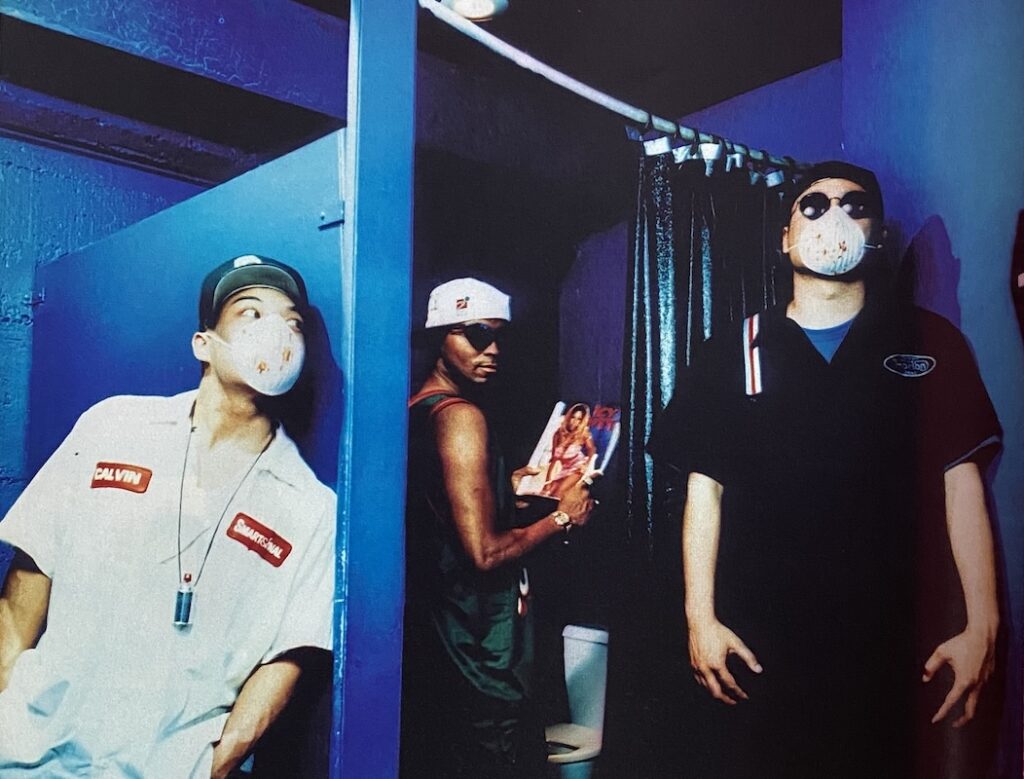
Ironically, the year was a high point for creative inspiration in the genre, with several acts making music as if their life depended on it. The renaissance wasn’t limited to the mainstream. Onetime Ultramagnetic MC member Kool Keith relocated from New York to California, all while bitterly disparaging the East Coast rap world alongside Tim Dog on the Ultra side project “The Industry Is Wack.” He also joined forces with Bay Area producer Dan the Automator and champion turntablist DJ Q-Bert in Dr. Octagon. Their full-length together gathered plaudits for Keith’s bizarre rantings from the perspective a murderous doctor obsessed with pornography. Keith and Automator fell out by the following year, only to reunite decades later.
Yet no matter how innovative underground and left-of-center rappers became as the “independent” ethos peaked during the latter half of the 90s, from Lateef the Truth Speaker and Lyrics Born crafting the exhilarating double-tracked symphony “Latyrx” to Company Flow’s sasquatch stomp “Eight Steps to Perfection,” they appeared inevitably wedded to the vacillating aesthetic and commercial fortunes of the mainstream. De La Soul released Stakes Is High, solidifying anti-mainstream raps as a popular form of protest that initially felt invigorating but eventually molded into an equally tired trope. When DJ Shadow released his instrumental watermark Endtroducing…, dazzling critics, he included a track titled “Why Hip Hop Sucks in ’96.”
As 1996 concluded, the rap world was in an uncertain place, struggling to process what 2Pac’s death had meant, heartened by the triumph of the Fugees (who split up over the next several months then spent the ensuing decades mounting cash-grab reunions), and ready to place its faith in Bad Boy Records’s savvy mix of R&B glamour and New York hardcore as well as “lyrical” rappers like Nas and Jay-Z. It wouldn’t be until the following March, when the Notorious B.I.G. was gunned down by assailants following a Vibe magazine party in Los Angeles, that the bill finally came due and no one could blame the industry’s structural problems on a handful of gangstas anymore.
The 125 Best Rap Singles of 1996

- AK Skills, “Check the Flava” (Tru Criminal Records)
- Akinyele, “Put It in Your Mouth” (Stress Entertainment / BMG)
- All Natural, “50 Years” (All Natural Inc.)
- The Arsonists, “The Session” (Fondle ‘Em Records)
- Bahamadia, “I Confess” / “3 Tha Hard Way” (Ill Kid Records / Chrysalis / EMI Records)
- Big Noyd feat. Prodigy of Mobb Deep, “Recognize & Realize” (Tommy Boy)
- Bone Thugs-N-Harmony, “Tha Crossroads (D.J. U-Neek’s Mo Thug Remix)” (Ruthless Records)
- Broadway, “Must Stay Paid” (Wreck Records)
- Bush Babees feat. Mos Def, “The Love Song” (Warner Bros. Records)
- Busta Rhymes, “Woo Hah!! Got You All in Check” (Elektra)

- Call O’ Da Wild, “Intellectual Dons” (Ruff House Records / Columbia)
- Camp Lo / Camp Lo feat. Ish AKA Butterfly, “Luchini AKA (This Is It)” / “Swing” (Profile)
- Charizma & Peanut Butter Wolf, “My World Premiere” (Stones Throw)
- Chief Xcel feat. The Gift of Gab and Lateef, “Fully Charged on Planet X” (Solesides)
- Chino XL, “No Complex” (American Recordings)
- Chuck D, “No” (Mercury Records)
- Common / No ID, “The Bitch in Yoo” / “The Real Weight” (Relativity)
- Company Flow, “Eight Steps to Perfection” / “Vital Nerve” (Official)
- Company Flow, “Infokill” / “Population Control” (Official)
- The Conscious Daughters, “Gamers” / “She’s So Tight” (Priority Records)

- Crucial Conflict, “Hay” (Pallas Records / Universal Records)
- Cypress Hill, “Boom Biddy Bye Bye” (Ruffhouse Records / Columbia)
- Da 5 Footaz, “The Heist” (G Funk Music)
- Da Brat, “Sittin’ on Top of the World” (So So Def Recordings / Columbia)
- The Dangerous Crew feat. Too $hort and Erick Sermon, “Buy You Some” (Dangerous Music / Jive)
- Das EFX feat. Mobb Deep, “Microphone Master (Sewa/41 st. Side Remix)” (EastWest Records)
- De La Soul / De La Soul feat. Common Sense, “Stakes Is High” / “The Bizness” (Tommy Boy)
- DJ Kool, Doug E. Fresh and Biz Markie, “Let Me Clear My Throat (Old School Reunion Remix)” (American Recordings)
- DJ Krush, “Only the Strong Survive” (Mo Wax)
- DJ Shadow, “Midnight in a Perfect World” (Mo Wax)
- Do or Die feat. Twista, “Po Pimp” (Neighborhood Watch Records / Creator’s Way Records)
- Dr. Dre, “Been There Done That” (Aftermath / Interscope Records)
- Dr. Octagon, “Blue Flowers” (Bulk Recordings)
- The East Flatbush Project feat. DeS, “Tried by 12” (10/30 Uproar)
- Eightball & M.J.G. feat. Nina Creque, “Space Age” (Suave House / Relativity)
- E-40 feat. Too $hort & K-Ci, “Rappers’ Ball” (Sick Wid’ It Records / Jive)
- Fat Joe, “Firewater” (Relativity)
- Foesum, “Lil’ Somethin’ Somethin’” (Big Beat / Atlantic)
- Foxy Brown feat. Blackstreet, “Get Me Home” (Violator Records / Def Jam Music Group Inc.)
- Frankie Cutlass feat. Craig G., Roxanne Shanté, Biz Markie, Big Daddy Kane, “The Cypher Part 3” (Relativity)
- Freak Nasty, “Da’ Dip” (Hard Hood Recordings / Power Records / Triad Records)
- Fugees (Refugee Camp), “Ready or Not” (Ruffhouse Records / Columbia)
- Genius/GZA feat. Method Man / Genius/GZA feat. Ghost Face Killer, Killah Priest and RZA, “Shadowboxin’” / “4th Chamber” (Geffen Records)
- Geto Boys feat. Flaj, “The World Is a Ghetto” (Rap-a-Lot Records / Noo Trybe)
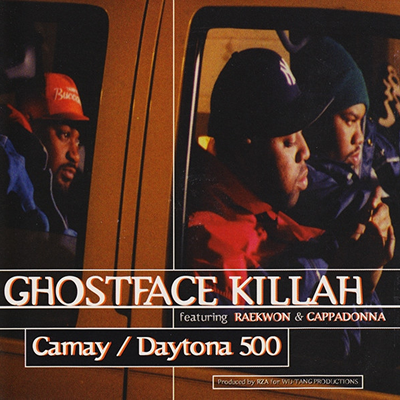
- Ghostface Killah feat. Raekwon & Cappadonna, “Camay” / “Daytona 500” (Razor Sharp Records / Epic Street)
- Godfather Don, “Styles by the Gram” (Hydra Entertainment)
- Goodie Mob, “Soul Food” (LaFace Records)
- Goodie Mob, “Dirty South” (LaFace Records)
- Grav feat. Al’Tariq and Lil Ray, “City to City” (Correct)
- Group Home, “Suspended in Time” (Payday / ffrr)
- Heather B., “If Headz Only Knew” (Pendulum / EMI Records)
- Heltah Skeltah, “Operation Lockdown” (Duck Down Records / Priority Records)
- InI feat. Pete Rock, “Fakin Jax” (Elektra)
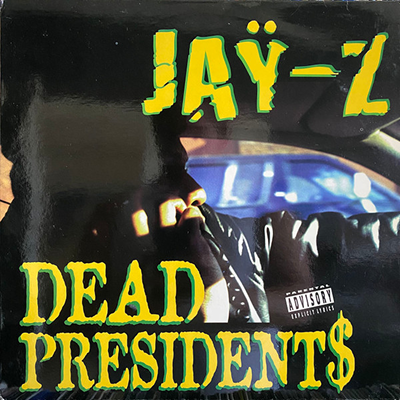
- Jaÿ-Z / Jaÿ-Z feat. Foxy Brown, “Dead President$” / “Ain’t No Nigga” (Roc-a-Fella Records / Freeze Records / Priority Records)
- Jaÿ-Z feat. Mary J. Blige, “Can’t Knock the Hustle” (Roc-a-Fella Records / Freeze Records / Priority Records)
- Jeru Tha Damaja, “Ya Playin’ Yaself” (Payday / ffrr)
- Jigmastas, “Beyond Real” (Beyond Real Recordings)
- Jungle Brothers, “How Ya Want It (We Got It)” (Gee Street)
- Keith Murray, “The Rhyme” (Jive)
- Kool Keith, “Don’t Crush It” / “Sex Style” (Funky Ass Records)
- KRS-One, “The MC” (Jive)
- The Large Professor, “The Mad Scientist” (Geffen Records)
- The Last Emperor, “Secret Wars Part 1” (self-released)
- Lateef / Lateef feat. Lyrics Born, “The Wreckoning” / “Latyrx” (Solesides)
- Lil Kim feat. Puff Daddy, “No Time” (Undeas Recording / Big Beat / Atlantic)
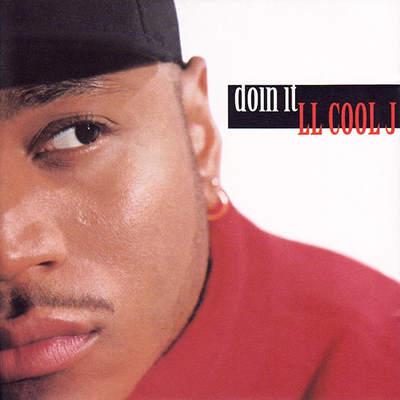
- LL Cool J, “Doin It” (Def Jam Recordings)
- LL Cool J, “Loungin (Who Do Ya Luv Remix)” (Def Jam Music Group Inc.)
- Lost Boyz, “Renee” (Island Black Music)
- Lost Boyz, “Music Makes Me High” (Universal Records)
- The Lox feat. Notorious B.I.G., “You’ll See” (Bad Boy Entertainment)
- Luke, “Scarred” (Luther Campbell Music)
- Lyrics Born, “Balcony Beach” (Solesides)
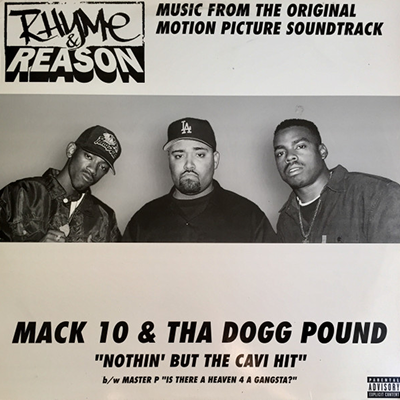
- Mack 10 & Tha Dogg Pound, “Nothin’ but the Cavi Hit” (Priority Records)
- Makaveli feat. Val Young, “To Live and Die in L.A.” (The New and “Untouchable” Death Row Records / Interscope Records)
- Master P, “Ice Cream Man” (No Limit Records / Priority Records)
- MC Lyte feat. Xscape, “Keep On, Keepin’ On” (Flavor Unit Records / EastWest Records)
- MC Lyte feat. Missy “Misdemeanor” Elliott, “Cold Rock a Party (Bad Boy Remix)” (EastWest Records)
- MC Ren, “Mad Scientist” (Ruthless Records)
- McGruff, “Harlem Kids Get Biz” (Uptown / Universal Records)
- Mic Geronimo, “Wherever You Are (Remix)” (Blunt Recordings)
- Mister Voodoo, “Lyrical Tactics” (Fortress Entertainment)
- Mobb Deep / Queen Latifah, “Back at You (Soundtrack Version)” / “Elements I’m Among” (Flavor Unit Records / EastWest Records)
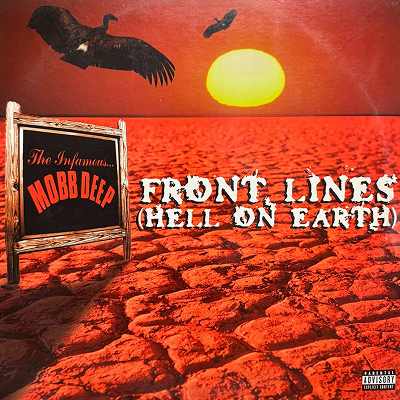
- Mobb Deep, “Front Lines (Hell on Earth)” (Loud Records / RCA / BMG)
- Mobb Deep, “Drop a Gem on ‘Em” (Loud Records / RCA / BMG)
- M.O.P., “Stick to Ya Gunz” (Relativity)
- Mother Superia, “Most of All” (4th & B’Way / Island Black Music)
- Mountain Brothers, “Paper Chase” (Magnificent Butcher Productions)
- Nas feat. Lauryn Hill, “If I Ruled the World (Imagine That)” (Columbia)
- Nas, “Street Dreams” (Columbia)
- Natural Resource, “Negro Leagues” / “They Lied” / “Bum Deal” (Ekapa RPM)
- Nonchalant, “5 O’ Clock” (MCA)
- O.G.C., “No Fear” (Duck Down Records / Priority Records)
- OutKast, “Elevators (Me & You)” (LaFace Records)
- OutKast, “ATLiens” (LaFace Records)
- Poor Righteous Teachers, “Word Iz Life” (Profile)
- Puff Daddy feat. Mase, “Can’t Nobody Hold Me Down” (Bad Boy Entertainment)
- Quad City DJ’s, “C’mon ’N Ride It (The Train)” (Big Beat / Atlantic)
- Ras Kass, “Miami Life” (Priority Records)
- Ras Kass, “Soul on Ice Remix” (Patchwerk Recordings / Priority Records)
- Redman, “It’s Like That (My Big Brother)” (Def Squad / Def Jam Music Group Inc.)
- Richie Rich, “Let’s Ride” (Def Jam Music Group Inc.)
- The Roots feat. M.A.R.S. and Dice Raw / The Roots, “Clones” / “Section” (DGC)
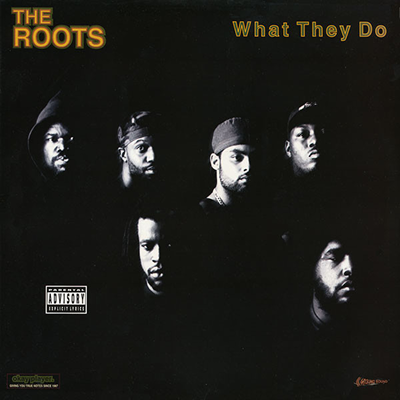
- The Roots, “What They Do” (DGC)
- Royal Flush, “World Wide” (Blunt Recordings)
- RZA feat. Method Man & Cappadonna / Real Live, “Wu-Wear: The Garment Renaissance” / “Get Down for Mine” (Big Beat / Atlantic)
- Sadat X feat. DV Alias Christ / Sadat X, “Hang Em High” / “Stages & Lights” (Loud Records / RCA / BMG)
- San Quinn, “Shock the Party” (Get Low Records / Priority Records)
- Shadez of Brooklyn, “Change” (Pandemonium Wreckordz / Tape Kingz)
- Silkk the Shocker, “The Shocker” (No Limit Records / Priority Records)
- Snoop Doggy Dogg, “Santa Claus Goes Straight to the Ghetto” (The New and “Untouchable” Death Row Records / Interscope Records)

- Street Smartz, “Problemz” / “Metal Thangs” (Tru Criminal Records)
- Tha Dogg Pound, “New York, New York” (Death Row Records / Interscope Records)
- Three 6 Mafia, “Tear Da Club Up” (Brutal / Priority)
- Too $hort feat. Parliament-Funkadelic, “Gettin’ It” (Dangerous Music / Jive)
- Tragedy feat. Mobb Deep, Capone -N- Noreaga, “L.A., L.A. (Kuwait Mix)” (25 to Life Entertainment / Dolo Records)
- A Tribe Called Quest feat. Faith Evans, “Stressed Out (Baby Phife Version)” (Jive)
- 2Pac feat. Dr. Dre & Roger Troutman, “California Love” (Death Row Records)
- 2Pac feat. KC and JoJo / 2Pac feat. Snoop Doggy Dogg / 2Pac feat. The Outlawz, “How Do U Want It” / “2 of Amerikaz Most Wanted” / “Hit Em Up” (Death Row Records)
- 2Pac, “I Ain’t Mad at Cha” (Death Row Records / Interscope Records / Island)
- UGK, “One Day” (Jive)
- Ultra, “The Industry Is Wack” (My Turn Records)
- Westside Connection, “Bow Down” (Lench Mob Records / Priority Records)
- The Whoridas, “Shot Callin’ & Big Ballin’” (Southpaw Records)
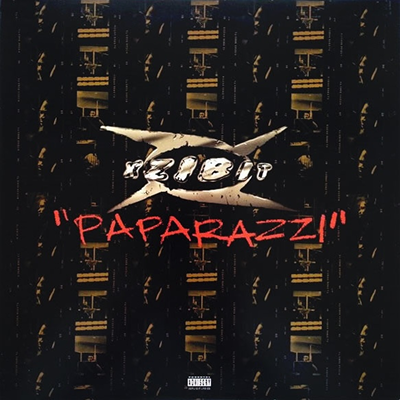
- Xzibit, “Paparazzi” (Loud Records / RCA / BMG)
- Xzibit, “Foundation” / “Eyes May Shine (Remix)” (Loud Records / RCA / BMG)
Featured photo of Tupac Shakur by Dana Lixenberg.
Release artwork taken from Discogs and eBay.
Humthrush.com will always be free to read and enjoy. If you like my work, leave a tip at Ko-fi.com/humthrush.